
WHAT IS SUBLIMATION?
Sublimation is a printing technique that has become extremely popular for customizing rigid materials, such as metal plates. Chromaluxe or Corian, wooden boardsPMMA boards and much more. If you're interested in learning how to carry out this creative process, you've come to the right place. In this article, I'll guide you through the essential steps for successful sublimation on rigid materials.
PASO 1: Design Preparation and Material Selection
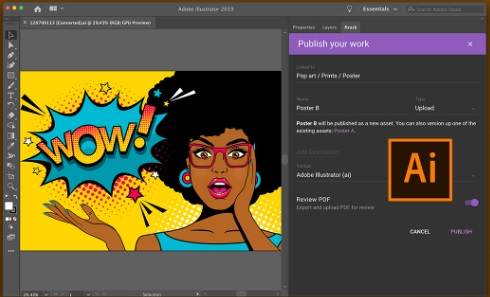 The first step in The sublimation process involves selecting your design and the rigid material on which you wish to print it. Make sure your design fits the size and shape of the surface properly. You can use graphic design programs like Photoshop or Illustrator to create your design and adjust it as needed.
Step 2: Printing on Sublimation Paper
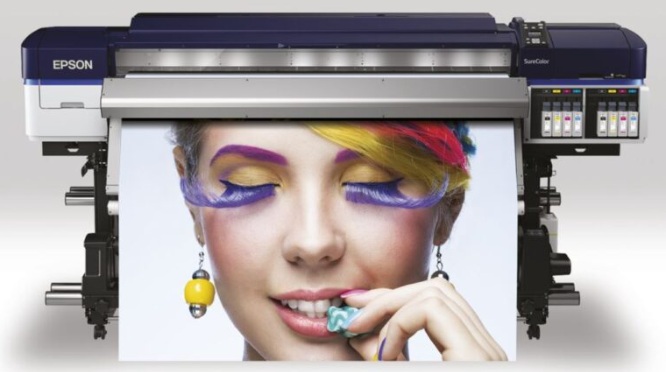 Once you have your design ready, you will need to print it on sublimation paper.In particular. Make sure to use a printer sublimation printers use sublimation inks for the best results. We personally really like these printers. Epson SC P9000. The printed design will look a little muted on paper, but don't worry, the colors will intensify over time. the sublimation process.
Step 3: Surface Preparation
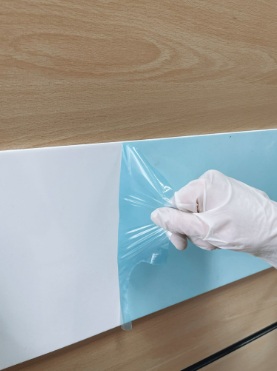 Preparing the surface of the rigid material is essential for successful sublimation. Ensure the surface is clean and free of dust, dirt, or any other contaminants that could affect print quality. In the case of Corian, a highly polished surface is recommended to improve the final result. It's also important that the surface is compatible with sublimation printing, as some materials are not suitable. appropriate. Don't forget to remove the protective film; always carry one.
Step 4: Fixing the Design to the Material
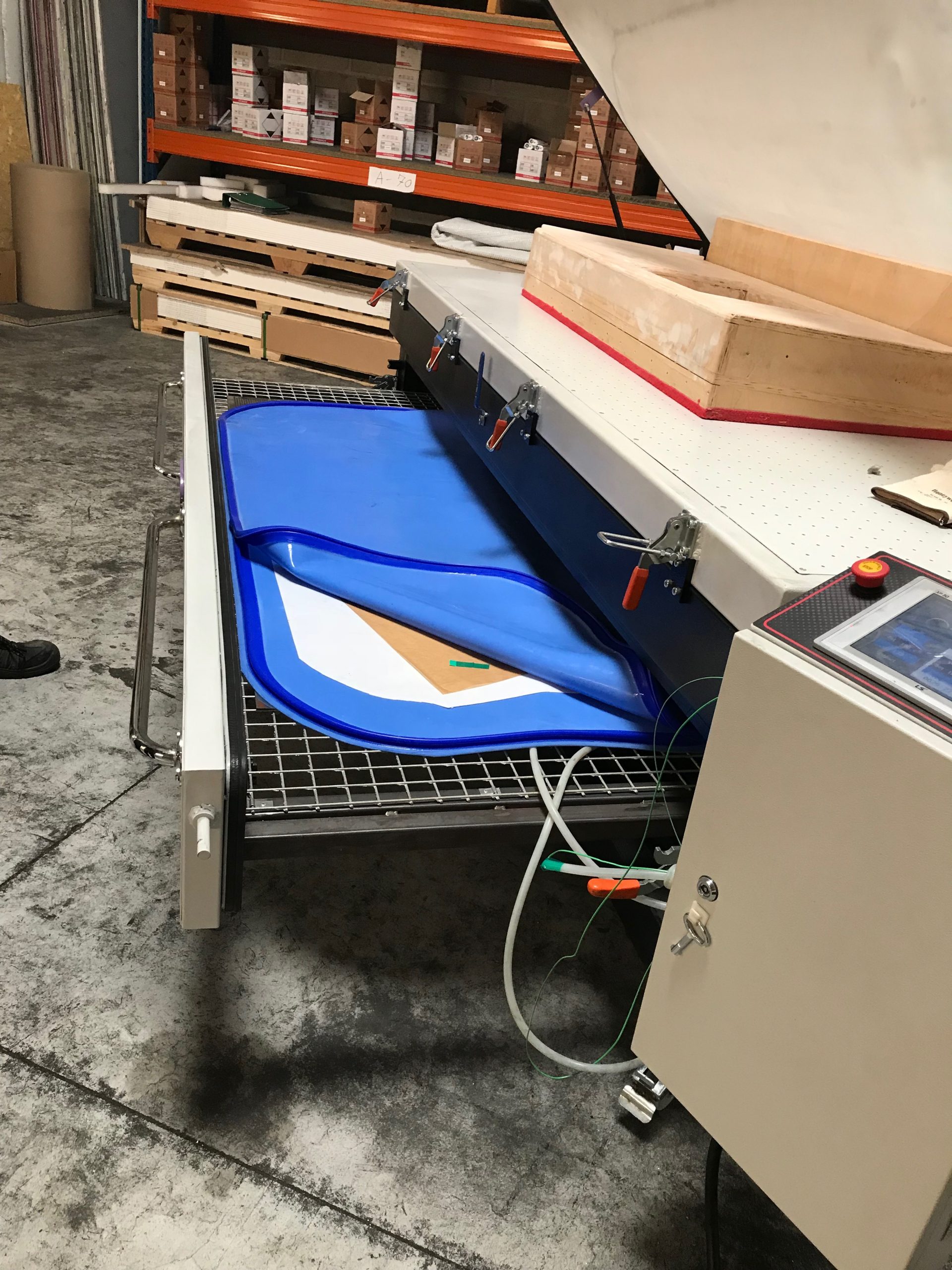
Place the printed design on sublimation paper on the surface of the rigid material with the image facing down. Use heat-resistant tape or thermal tape to secure the paper in place. Make sure the design be well aligned and without wrinkles.
Step 5: Sublimation Process
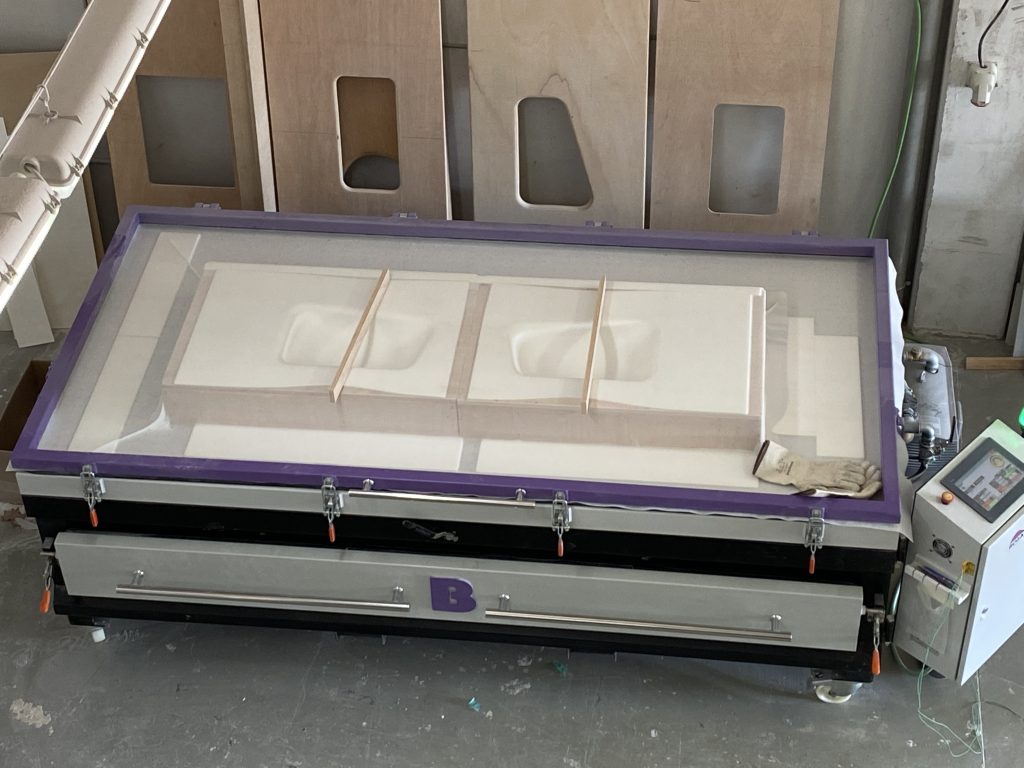
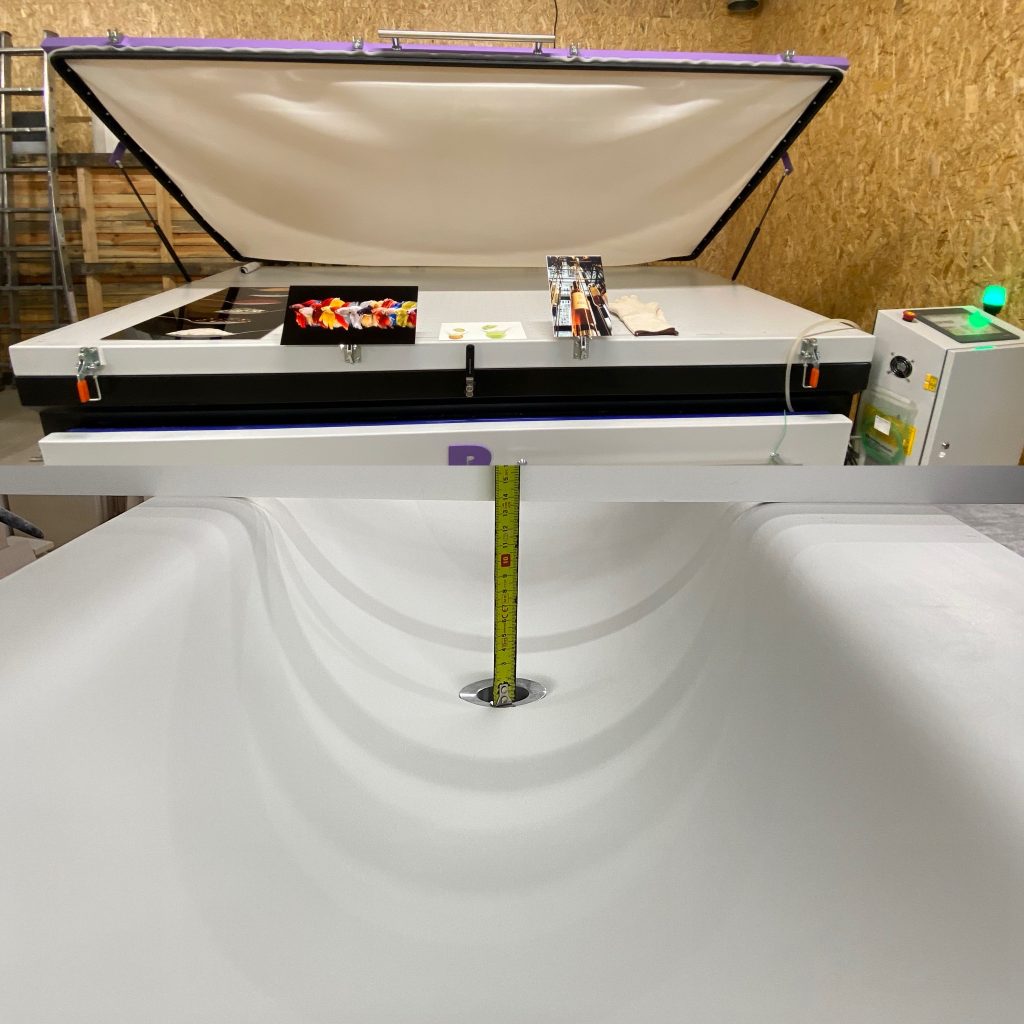
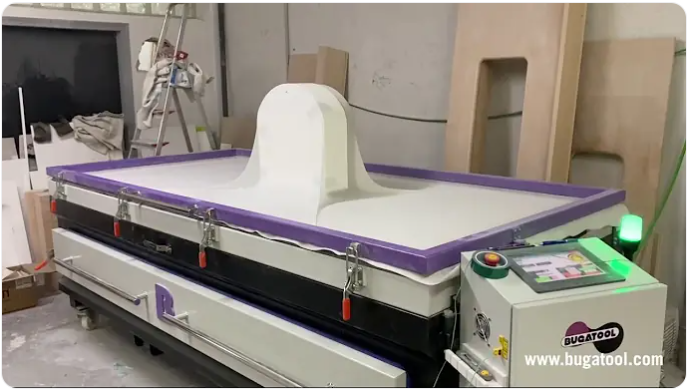
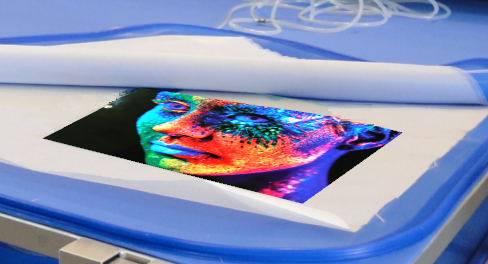 We arrived toThe crucial step: the sublimation itself. Use a heat press designed for sublimation and follow the specifications of Recommended temperature and time for the material you are working with. We recommend the BUGA DUO SUBLI 2612. During this process, The sublimation inks will turn into a gas and penetrate the surface of the material., creating a lasting, high-quality impression.
Step 6: Cooling and Paper Removal
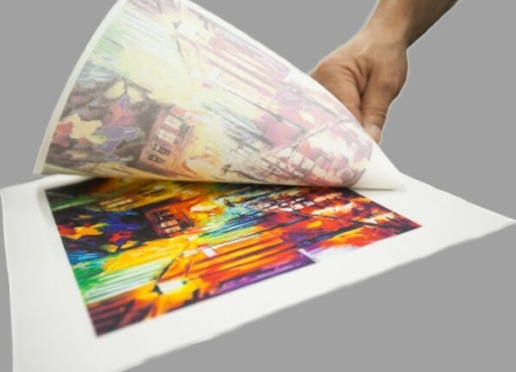 After the sublimation process is complete, carefully remove the sublimation paper. The rigid material will be hot, so handle it with care. Allow it to cool completely before touching the printed image.
Step 7: Finishing and Protection
Once the surface is completely cool, you can apply a protective finish, such as varnish or sealant, to preserve the sublimated image and increase its durability. This can also help to bring out the colors and details of the print.
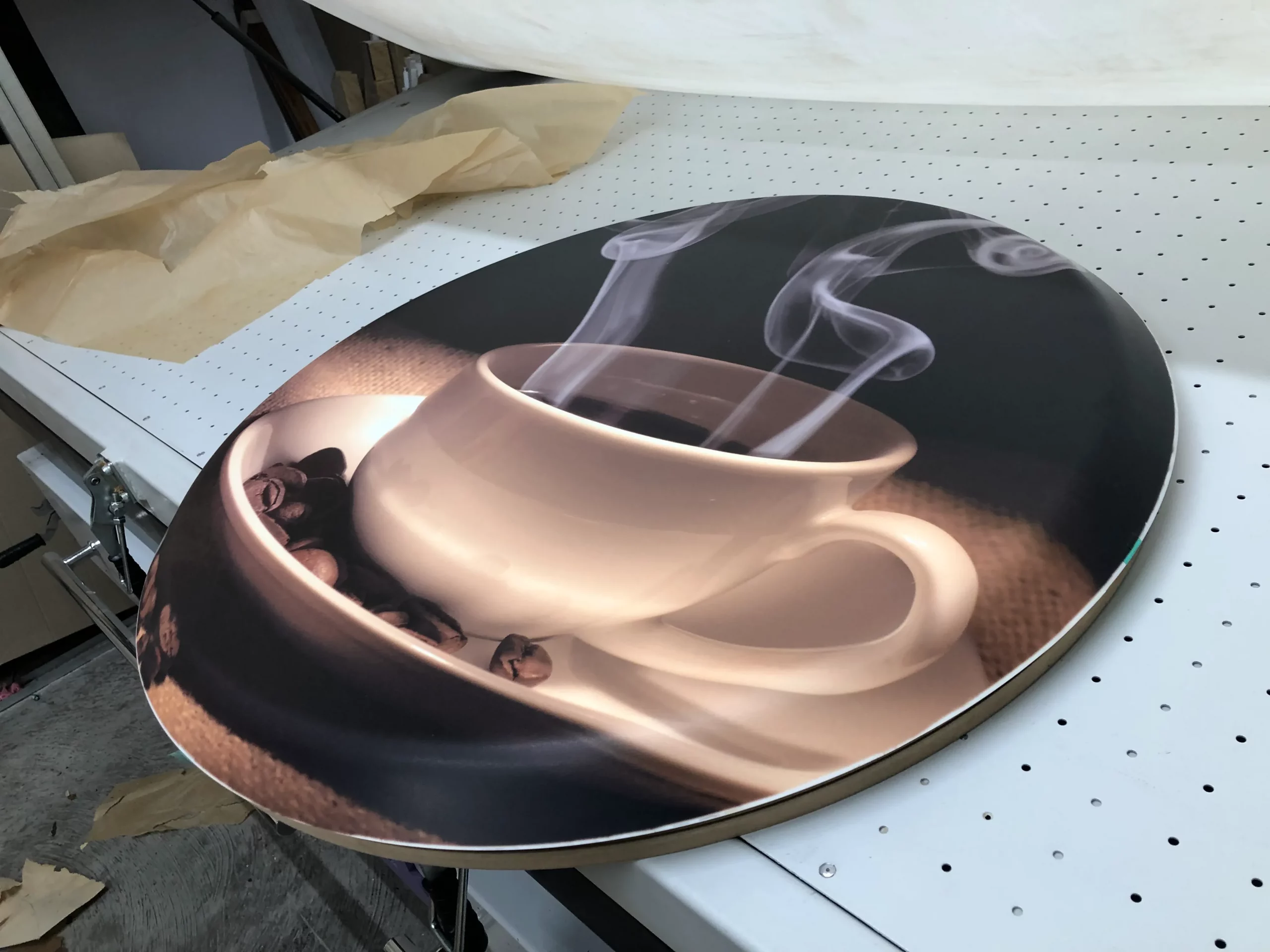
And that's it! You now have the basic knowledge to successfully sublimate rigid materials. This technique allows you to personalize a wide range of objects and surfaces creatively and permanently. Let your imagination run wild and start sublimating your projects today!
I hope this guide has been helpful in understanding how to perform sublimation on rigid materials. If you have any further questions or need more information about this process, please don't hesitate to ask. I'm here to help!