
Wood veneer and its secrets.
To begin with, we must consider that, nowadays, it is possible to veneer low-quality boards or wood with high-quality wood veneers very easily if you have the right tools.
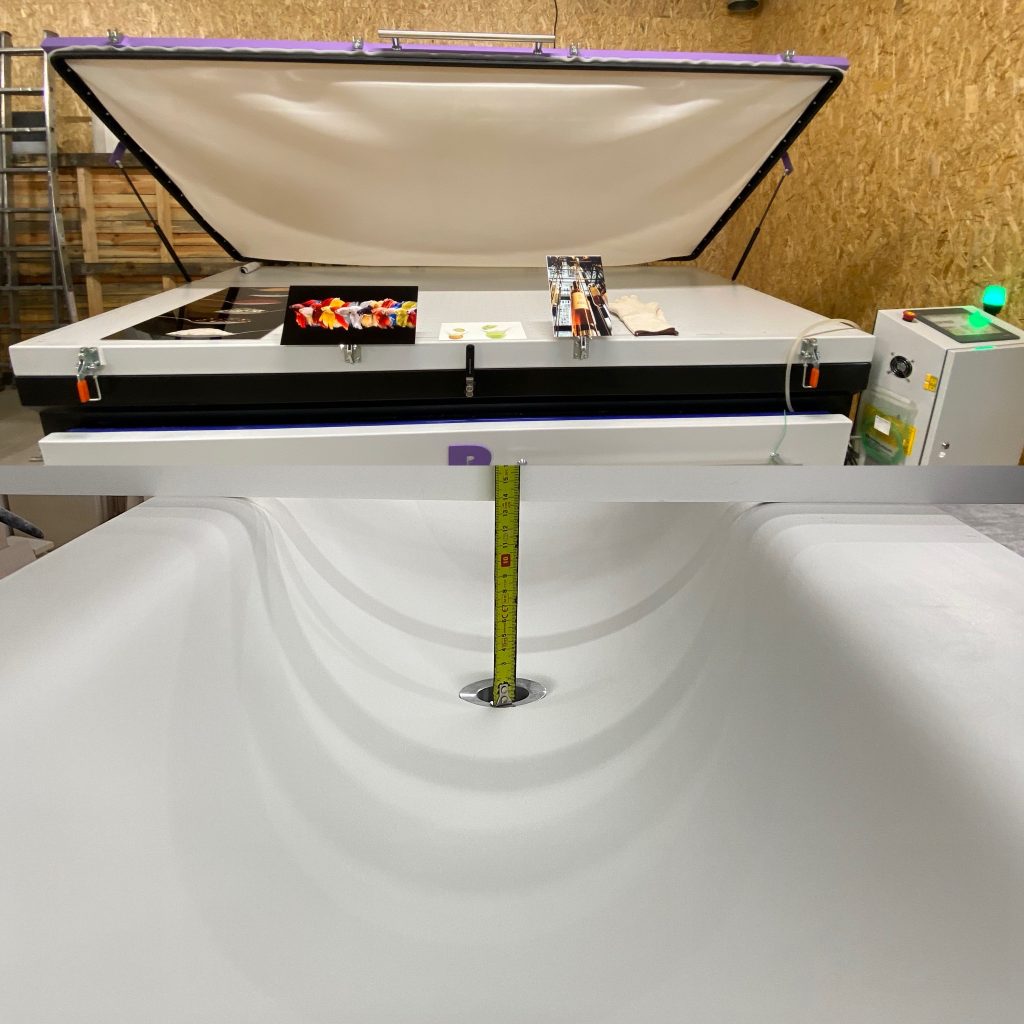
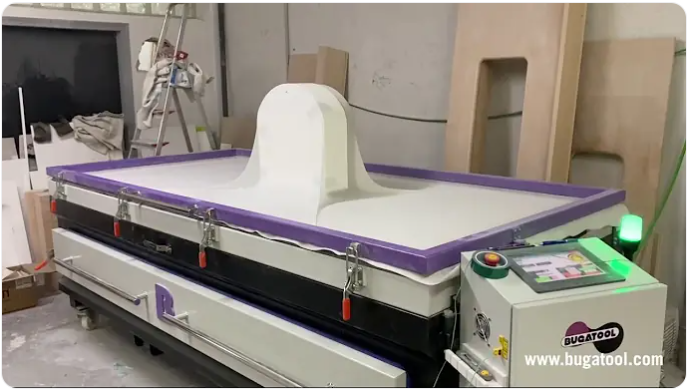
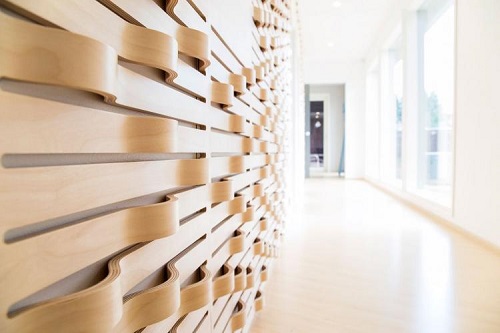
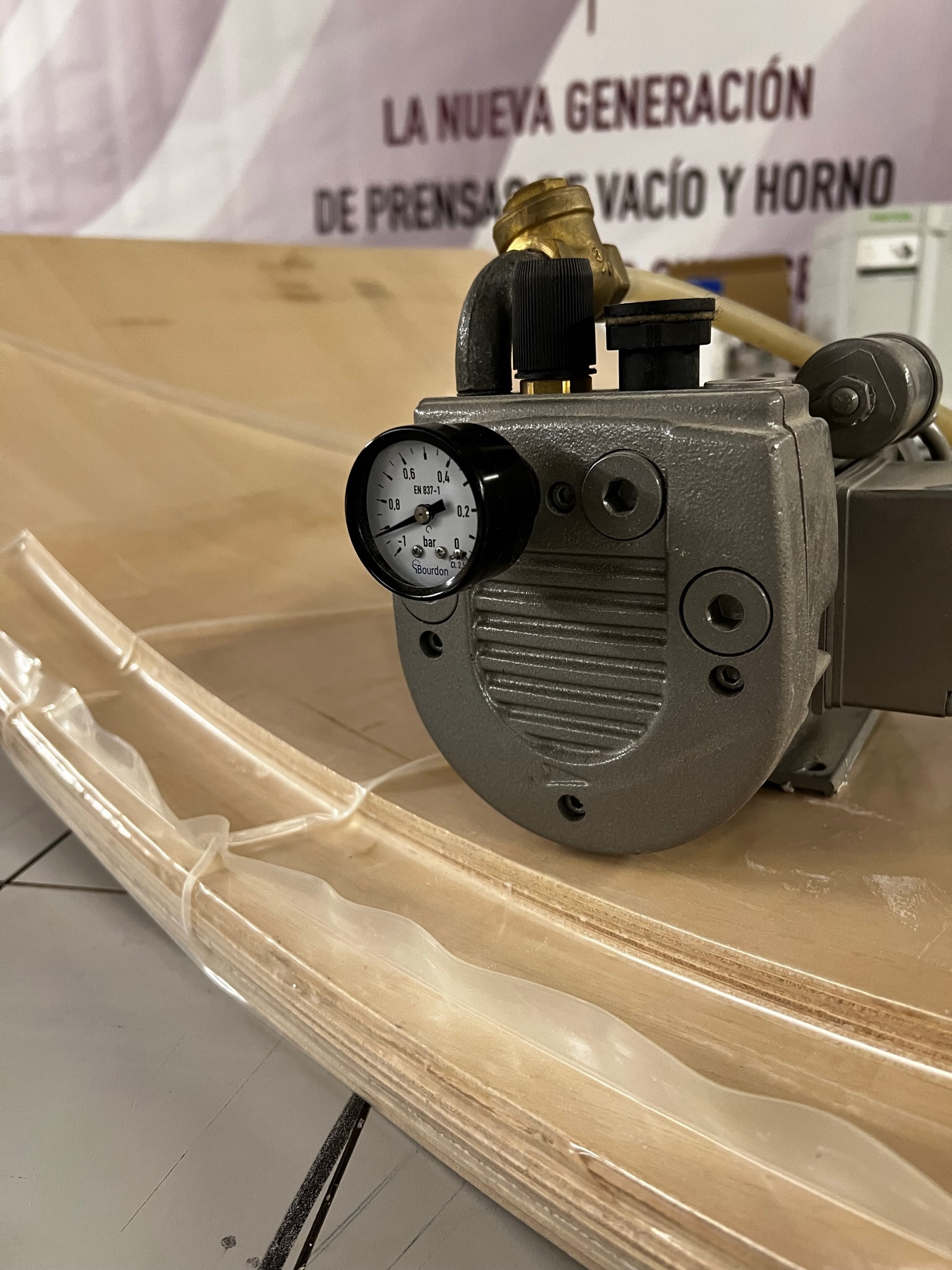 Wood veneering is a process known to everyone, but we will see that with the natural veneers of yesteryear we can also veneer with light 3D effects.
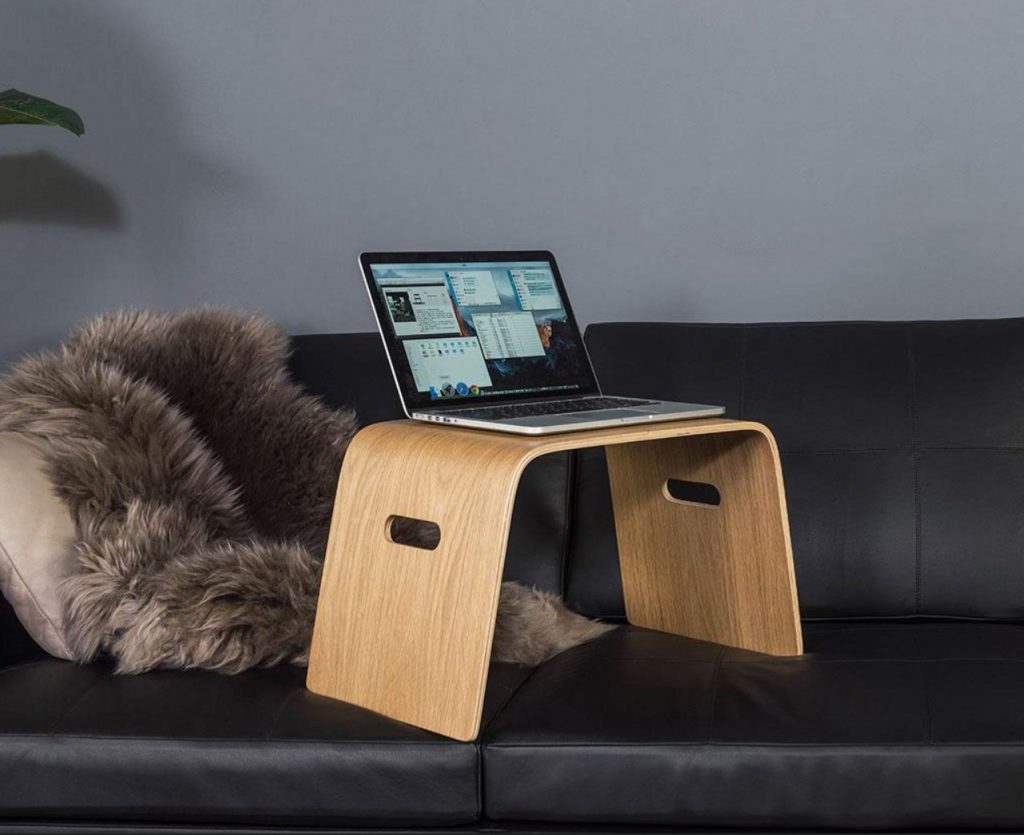
As you can see in the image, the wood veneer can withstand a slight bend without breaking.
For the process to be possible, it must meet 3 conditions:
- Ensure the sheet metal has a sufficiently high moisture content. (A small application of white glue or vinyl glue helps a lot.)
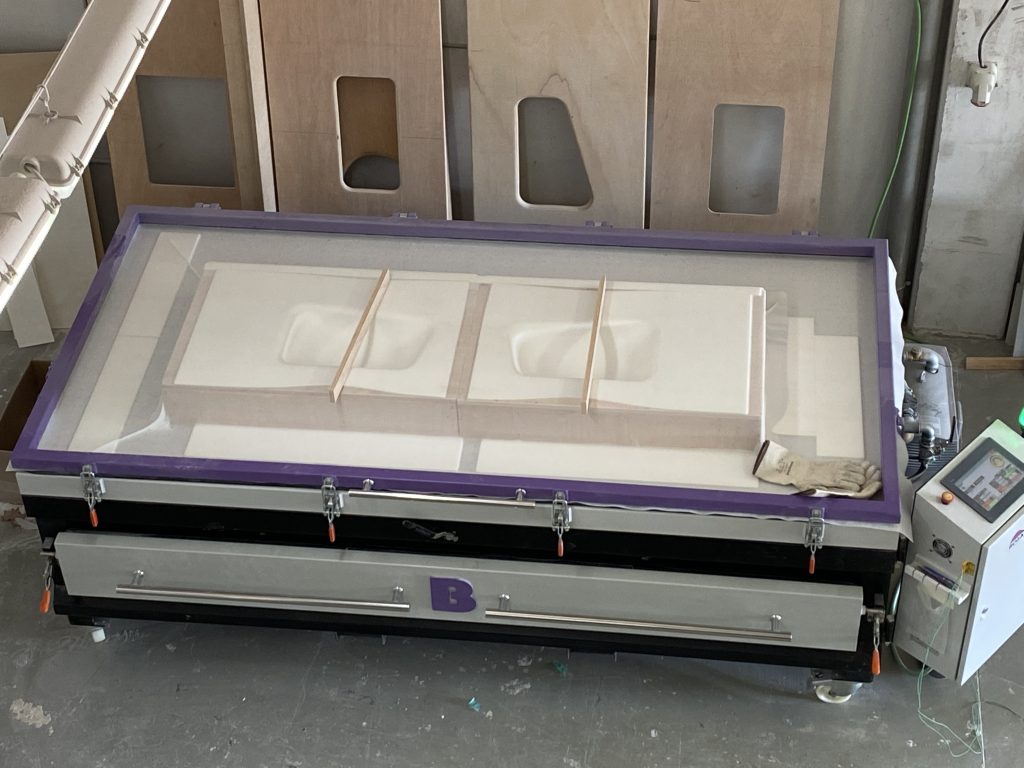
- That you have a vacuum press capable of achieving the process.
- Please follow the advice we are about to give you.
How to veneer wood on a flat surface or in 2D?
To avoid any confusion, we will review the process of veneering in a flat or 2D format.
Materials needed for veneering:
- Hardwood veneers.
- White or vinyl glue (the classic white carpenter's glue). Some glues have a fast drying time, which will save time in the final process.
- MDF board or low-quality board as smooth as possible.
- 1 roller for applying the glue.
- Body tape
- Plastic film for protection, made of PET or Polyamide PA.
- And depending on your budget:
-
- An Vacuum bag from €300 to €1.500
- A press BUGA PRESS from € 7.500
- A Press BUGA DUO from € 24.500
- A Press Vertical Theft from € 41.000
-
Flat plating process:
We will apply the glue at a rate of 80 g/m² to the board. (Excess glue does not help it adhere better, but it does lengthen the drying process, which, ultimately, consists of dehydrating the glue.)
The glue should be applied carefully to avoid leaving any part without glue or any area with excess, which would cause a wrinkle in our sheet metal.
For proper application of the glue you can use a roller with a reservoir, or a roller gluer if you want to work industrially.
Once the board is glued, we will apply our hardwood veneer.
What machinery should be used for 2D wood veneering?
3 options:
- The ROBO Vertical Press (More expensive process but adapted to mass production and short production cycles)
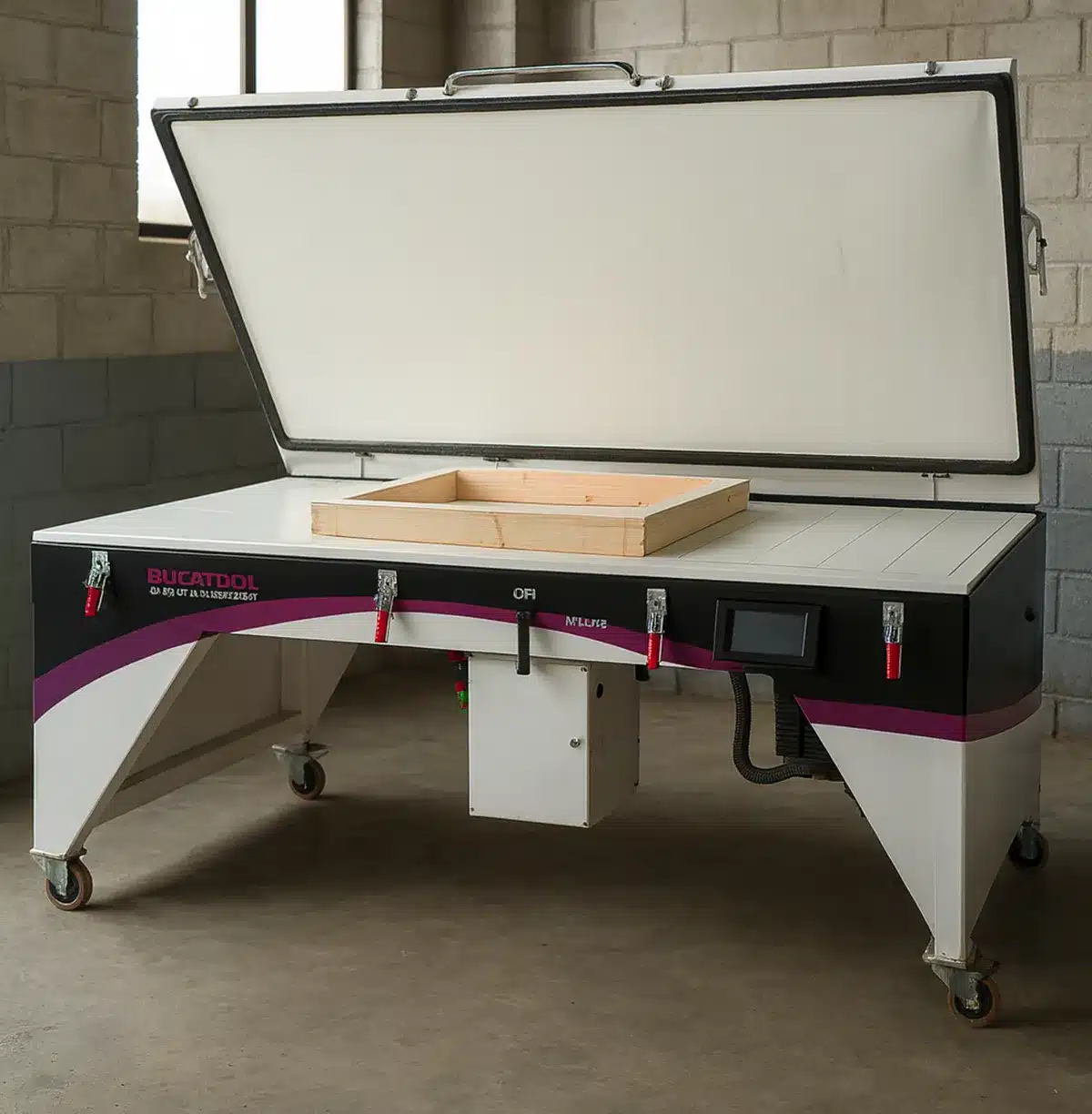
- The BUGA PRESS type vacuum press (cold process: more economical but with longer drying times)
- The vacuum bag with venturi system
For a hot process we will use the Vertical THEFT with a drying time of 10 to 12 minutes.
For a cold process we will use the BUGA PRESS with a drying time of approximately 40 minutes. The plastic film prevents excess glue from sticking to the scrap board or the vacuum membrane.
Here too, the plastic film prevents excess glue from sticking to the martyr board or the vacuum membrane.
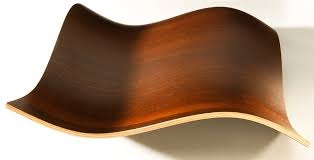
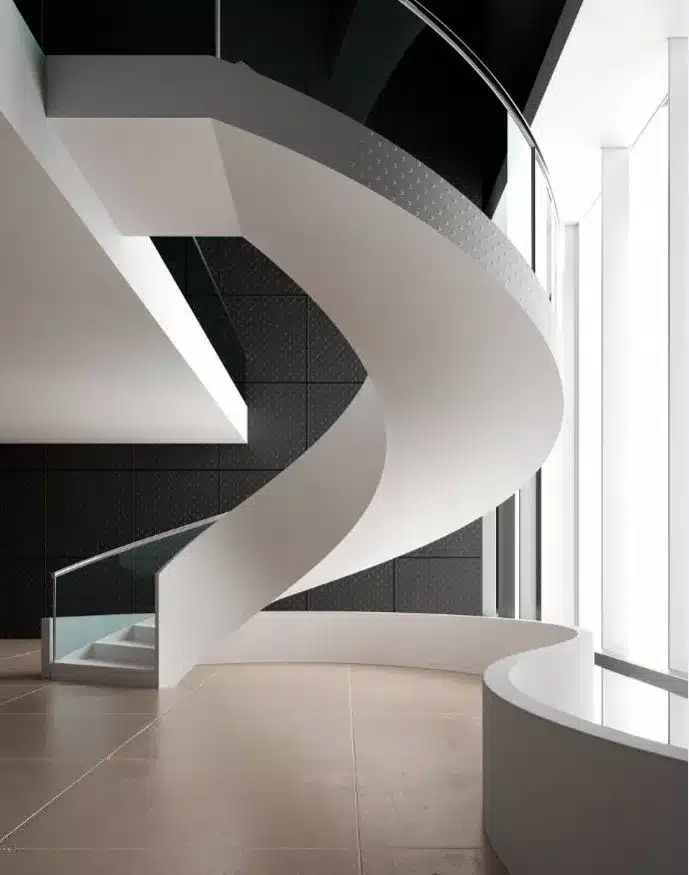
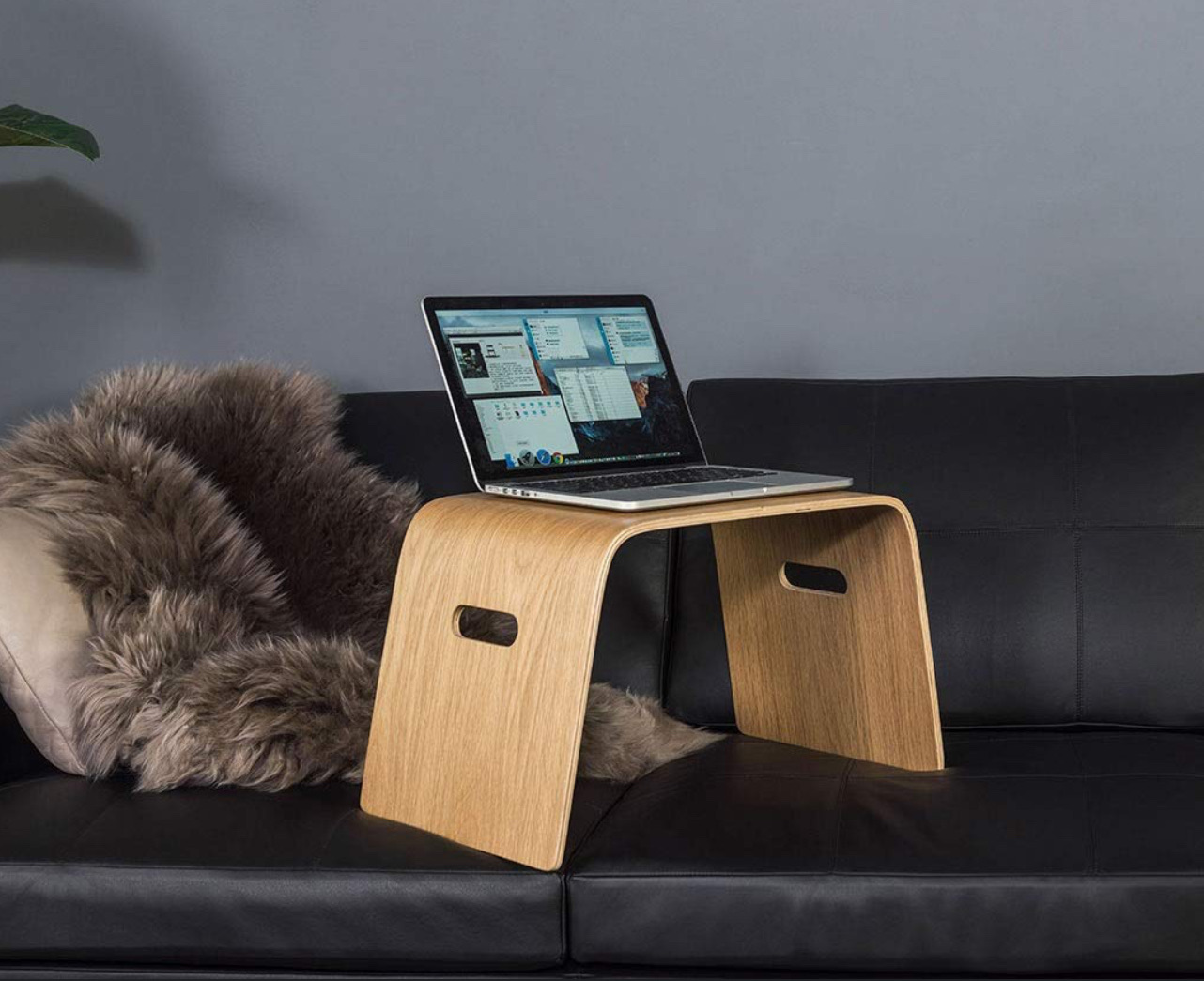
In this way we can veneer wood with 2D shapes and light 3D shapes. As you can see in the image below, an excellent Danzer's work.
But if your thing is the ultimate challenge, the jobs that were considered impossible 2 or 3 years ago… Then we need to address the issue. of 3D plating.
The vacuum bag The Venturi system remains the most economical and reliable system available. All you need is the power of an air compressor and a durable polyurethane bag. You can achieve up to 9 tons of vacuum.
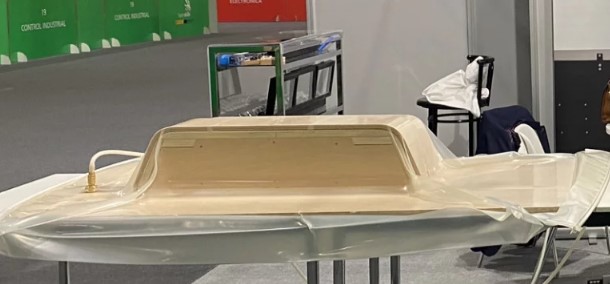
We'll be delving deeper into 3D wood veneering soon. Leave a comment if you have any questions or suggestions, and follow us on social media to stay up-to-date on news and training.
https://www.instagram.com/bugatool/
https://www.facebook.com/bugatool/